Foreword
The Maldives has seen a significant rise in sales of branded residences since 2020, driven by growing demand from high-net-worth investors for long-stay luxury properties. The local legal framework governing strata villa leasing is also evolving.
In addition to choosing a brand and a property to purchase, buyers must review the transaction documents in detail with legal counsel prior to purchase. This guide explains the strata villa leasehold structure, what you are acquiring, the key lease and management agreements determining your rights, and critical questions to ask before committing to buying a residence in the Maldives.
Key Takeaway: A strata villa or residence is marketed as a purchase—but in law, it is a long-term lease of a right to use. The brochure sets the expectation; the lease and management agreements determine what you actually get.
What is on Offer?
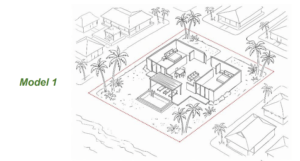
Model 1: A designated residence (comprising one or more rooms, living space, outdoor area) located within a resort, demarcated as a plot.

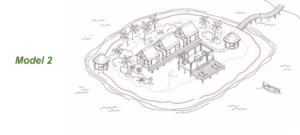
Model 2: A designated residence located on a standalone island connected to and comprising the resort property.
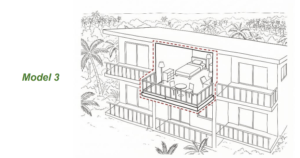
Model 3: A room or an apartment within a tourist resort.
Sale or Lease?
- Leasehold Interest: Ownership is a long-term leasehold interest structured as a sub-lease under strata title (strata leases). The Maldives Constitution does not permit foreign ownership of freehold land.
- Subordinate to Primary Lease: Every resort is leased directly from the Government under a “primary” or “head” lease. A strata lease sits subordinate to this primary lease.
- Cap on Lease Term: Primary leases are granted for 50 years, extendable up to a cumulative term of 99 years. The term of a strata lease cannot exceed that of the primary lease.
- Restriction on Subletting: The strata lessee cannot further sub-let the residence to a third party under applicable law.

Off-Plan Sales and Reservations
- Construction progress inspection rights.
- Contractual remedies if the brand withdraws prior to completion or handover.
- Contractual remedies if the resort fails to open on schedule.

Watch Points:
Legislation on Branded Residences
Applicable Law & Title Registration
- Pre-Sale Registration: The developer registers the physical residence and site plan demarcation with the Ministry.
- Title Registration: After signing key agreements, the execution documents are submitted to the Ministry, which issues a registration certificate naming the buyer as the owner. There is no freehold “title deed.”

Lessee Rights, Protections & Associations
- Baseline Rights: Owners enjoy guaranteed access/egress to the resort island, quiet enjoyment, access to resort utilities, and the right to sell or assign their strata interest.
- Financing: Leasehold interests may be mortgaged to secure financing, subject to prior written consent from the Ministry of Tourism.
- Owners’ Associations: Maldivian law does not require developers to form—or owners to be represented by—an owners’ association. Any association established is created at the developer’s sole discretion and governed by individual agreements.

Key Agreements & Priority
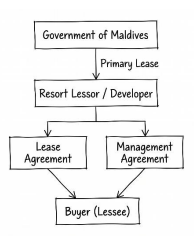
1. The Lease Agreement
2. The Management Agreement
Watch Points:
Other Purchase Considerations
Taxes & Structuring
- GST: Currently exempt on residence sales (regulatory updates pending).
- Property Transfer Tax (SEZ): 4% in standard Special Economic Zones; reduced concessions apply in Sustainable Townships (1% initial sale, 2% first resale, 4% subsequent resales).
- Income Tax: Rental income may be subject to tax (15% for corporate entities over MVR 500,000; 5.5%–15% for individuals over MVR 720,000). Non-resident withholding taxes may also apply.
Residency & Visas