Beyond the brochure: understanding your purchase
Issue 02 | 11 August 2026 | SHC Law & Tax
Foreword
The Maldives has seen a significant rise in sales of branded residences since 2020, driven by growing demand from high-net-worth investors for long-stay luxury properties. The local legal framework governing these transactions is also evolving in tandem.
In addition to choosing a brand and a property to purchase, buyers must review the transaction documents in detail with legal counsel prior to purchase. This guide explains what you are acquiring, the key agreements determining your rights, and critical questions to ask before committing.
Key Takeaway: A strata villa or residence is marketed as a purchase—but in law, it is a long-term lease of a right to use. The brochure sets the expectation; the lease and management agreements determine what you actually get.
- Junaina Ahmed (Attorney-at-Law, Partner) |
junaina.ahmed@shclawyers.com - Zayna Saeed (Attorney-at-Law, Associate) |
zayna.saeed@shclawyers.com
What is on Offer?
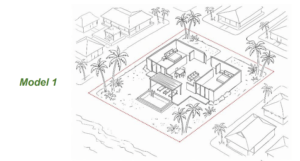
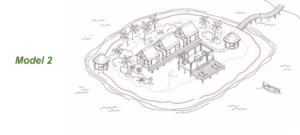
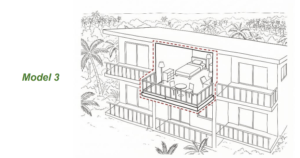
Buyers will encounter various terms describing branded residences for sale, such as “mansions,” “private estates,” “residences,” or “villas.” In essence, a branded residence falls under one of three structural models:
- Model 1: A designated residence (comprising one or more rooms, living space, outdoor area) located within a resort, demarcated as a plot.

- Model 2: A designated residence located on a standalone island connected to and comprising the resort property.
- Model 3: A room or an apartment within a tourist resort.
Sale or Lease?
While marketing language emphasizes terms like “sale,” “purchase,” or “own,” the underlying legal structures operate strictly on a leasehold basis:
- Leasehold Interest: Ownership is a long-term leasehold interest structured as a sub-lease under strata title (strata leases). The Maldives Constitution does not permit foreign ownership of freehold land.
- Subordinate to Primary Lease: Every resort is leased directly from the Government under a “primary” or “head” lease. A strata lease sits subordinate to this primary lease.
- Cap on Lease Term: Primary leases are granted for 50 years, extendable up to a cumulative term of 99 years. The term of a strata lease cannot exceed that of the primary lease.
- Restriction on Subletting: The strata lessee cannot further sub-let the residence to a third party under applicable law.

Off-Plan Sales and Reservations
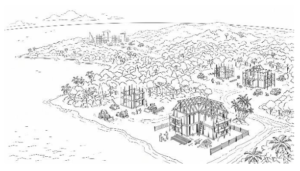
Developers frequently pre-sell residences off-plan before resort completion. Buyers typically execute a reservation agreement followed by a formal lease agreement. Key protections to confirm include:
- Construction progress inspection rights.
- Contractual remedies if the brand withdraws prior to completion or handover.
- Contractual remedies if the resort fails to open on schedule.
Watch Points:
Legislation on Branded Residences
Applicable Law & Title Registration
Residences leased on a strata basis are governed by the Tourism Act (Law No. 2/99) and relevant subordinate regulations. Ownership interest is officially recorded via a two-step process with the Ministry of Tourism:
- Pre-Sale Registration: The developer registers the physical residence and site plan demarcation with the Ministry.
- Title Registration: After signing key agreements, the execution documents are submitted to the Ministry, which issues a registration certificate naming the buyer as the owner. There is no freehold “title deed.”

Lessee Rights, Protections & Associations
- Baseline Rights: Owners enjoy guaranteed access/egress to the resort island, quiet enjoyment, access to resort utilities, and the right to sell or assign their strata interest.
- Financing: Leasehold interests may be mortgaged to secure financing, subject to prior written consent from the Ministry of Tourism.
- Owners’ Associations: Maldivian law does not require developers to form—or owners to be represented by—an owners’ association. Any association established is created at the developer’s sole discretion and governed by individual agreements.

Key Agreements & Priority
Applicable law mandates that buyers execute two primary agreements with the developer. Neither agreement can exceed the term of the head lease, and conflicting provisions are legally void.
+-------------------------------------------------------+
|                 Primary / Head Lease                  |
|        (Government of Maldives <-> Developer)         |
+---------------------------+---------------------------+
                            |
                            v
+---------------------------+---------------------------+
|                    Lease Agreement                    |
|           (Developer <-> Buyer / Residence)           |
+---------------------------+---------------------------+
                            |
                            v
+---------------------------+---------------------------+
|                  Management Agreement                 |
|             (Developer <-> Buyer / Services)          |
+-------------------------------------------------------+
1. The Lease Agreement
Governs the long-term right to lease and use the residence (sometimes titled a “Sale and Purchase Agreement”). Must be registered with the Ministry of Tourism and include terms on duration, purchase price, payment schedules, property demarcations, and dispute resolution mechanisms.
2. The Management Agreement
Operates alongside the lease agreement to govern property maintenance, service cost allocation, usage periods, and division of rental proceeds.
Watch Points:
Other Purchase Considerations
Taxes & Structuring
- GST: Currently exempt on residence sales (regulatory updates pending).
- Property Transfer Tax (SEZ): 4% in standard Special Economic Zones; reduced concessions apply in Sustainable Townships (1% initial sale, 2% first resale, 4% subsequent resales).
- Income Tax: Rental income may be subject to tax (15% for corporate entities over MVR 500,000; 5.5%–15% for individuals over MVR 720,000). Non-resident withholding taxes may also apply.
Residency & Visas
Acquisition may grant eligibility for long-term residency/resident visas for buyers and dependents, but it is not automatic. Government program updates are anticipated in H2 2026.

Financing
Lessee rights can be mortgaged with prior written approval from the Ministry of Tourism and developer. Buyers must confirm local mortgage availability and factor Ministry approval timelines into payment schedules.
Insurance
Individual residence insurance is not legally required for buyers. Property insurance is maintained by the developer under primary lease obligations, with costs passed to buyers via service/maintenance charges.
Published by SHC Law & Tax LLP
Band 1 Commercial Law Firm in the Maldives (Chambers & Partners, IFLR1000, AsiaLaw Profiles)
📄 Looking for the document? Click here to download the PDF file